OPINION: This article may contain commentary which reflects the author’s opinion.
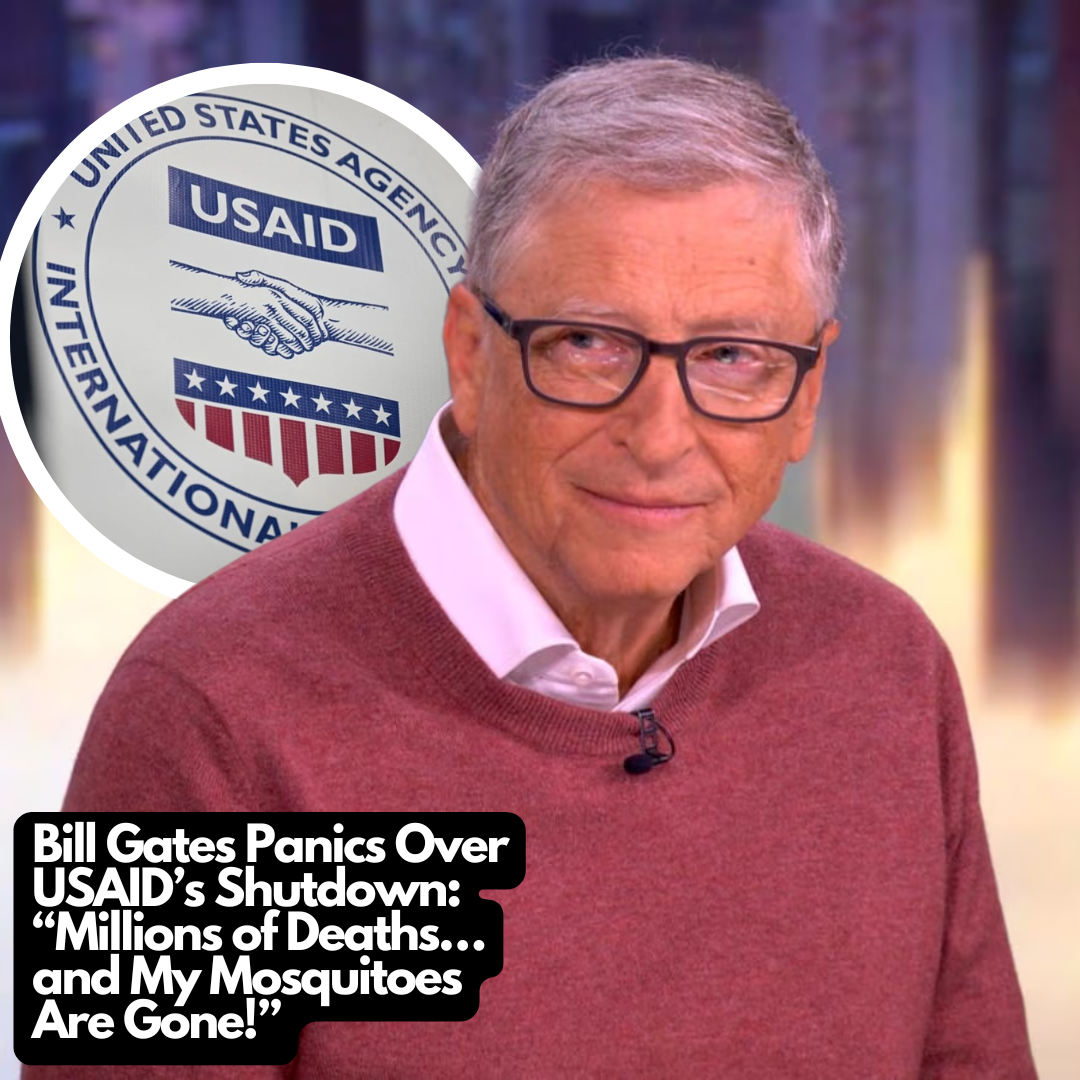
In a dramatic turn of events, Bill Gates finds himself in the crosshairs of a major political and philanthropic shakeup. The Trump administration’s controversial move to dismantle the United States Agency for International Development (USAID) has sent shockwaves through Gates’ philanthropic empire, causing the tech mogul to voice his concerns over a crisis he fears could lead to “millions of deaths.” Notably, the shutdown of USAID could impact his foundation’s global health initiatives, including some of its more unconventional projects—like genetically modified mosquitoes.
In a recent appearance on The View, Gates voiced his anxiety over the move, claiming that the reduction in USAID’s global presence could put at risk critical health and nutrition programs supported by his foundation. “My foundation partners with USAID on nutrition and getting vaccines out, and, you know, there’s incredible people… Hopefully we’ll get some of that work back in shape,” Gates explained, before warning that the loss of USAID’s structure could lead to devastating consequences. “If we don’t… you could have literally millions of deaths.”
Gates, known for his bold—and sometimes controversial—approaches to tackling global issues like climate change and health, has long enjoyed a robust partnership with USAID. This collaboration allowed Gates’ foundation to distribute funding and conduct large-scale health initiatives worldwide. However, the possibility of losing access to these resources, in Gates’ eyes, is nothing short of catastrophic.
The shutdown, pushed by figures like Elon Musk and the Department of Government Efficiency (DOGE), comes amid growing concerns about USAID’s efficacy and transparency. Critics argue that the agency has been marred by inefficiencies and unclear financial practices, with some funds being used for less urgent causes, such as promoting diversity, equity, and inclusion in Serbia or producing transgender-themed comic books in Peru. These projects, while valuable in their own right, hardly seem to align with Gates’ urgent global health goals.
Despite Gates’ high-profile warnings, some argue that his panic is largely overblown. Health and vaccination efforts are not inherently dependent on USAID, and private organizations, including Gates’ own foundation, could continue their important work without it. Critics of USAID have pointed out that the agency’s lack of transparency has hindered accountability and delayed aid to more pressing causes. The real issue, they contend, may lie less with the agency’s closure and more with the questionable allocation of resources under its banner.
But for Gates, this disruption feels personal. His foundation has relied heavily on USAID’s infrastructure and reach to fund his ambitious—some might say audacious—plans. One of the most high-profile projects, the development of genetically modified mosquitoes designed to act as “flying vaccinators,” has garnered both awe and skepticism. The notion of mosquitoes administering vaccines sounds straight out of a science fiction novel, and with the possible loss of USAID as a partner, the fate of this project could now hang in the balance.
Gates’ alarm bells are ringing for a reason. The reshaping of USAID presents a significant challenge not just for his foundation, but for the broader humanitarian aid landscape. However, whether this disruption will truly lead to “millions of deaths” remains to be seen. While Gates is undoubtedly one of the most influential philanthropists in the world, his vision for global health may now be forced to navigate an entirely new path, one without the familiar support of USAID.
For now, Gates’ concerns about the loss of this vital link in his global efforts serve as a stark reminder of just how intertwined politics and philanthropy have become. In his view, the end of USAID could very well signal the end of an era in which well-intentioned billionaires like Gates could rely on government machinery to push their ambitious ideas to every corner of the globe. Whether that will result in the disaster he predicts or simply force a reevaluation of how aid is distributed is yet to be determined. Either way, Bill Gates and his mosquitoes are in for a bumpy ride.
— Elon Musk (@elonmusk) February 3, 2025